Best Massively Multiplayer Games
Massively multiplayer online games are persistent worlds shared simultaneously with thousands of other players — and the genre is defined by scale, community, and longevity. Where most games end when you finish the story, MMOs are designed to run for years or decades: Final Fantasy XIV has been active since 2010, World of Warcraft since 2004. The appeal is a living world shaped by a community, with social structures, player economies, and endgame content that no single-player game can replicate.
Platform
249 games
8.9
PCPlayStationXboxNintendo
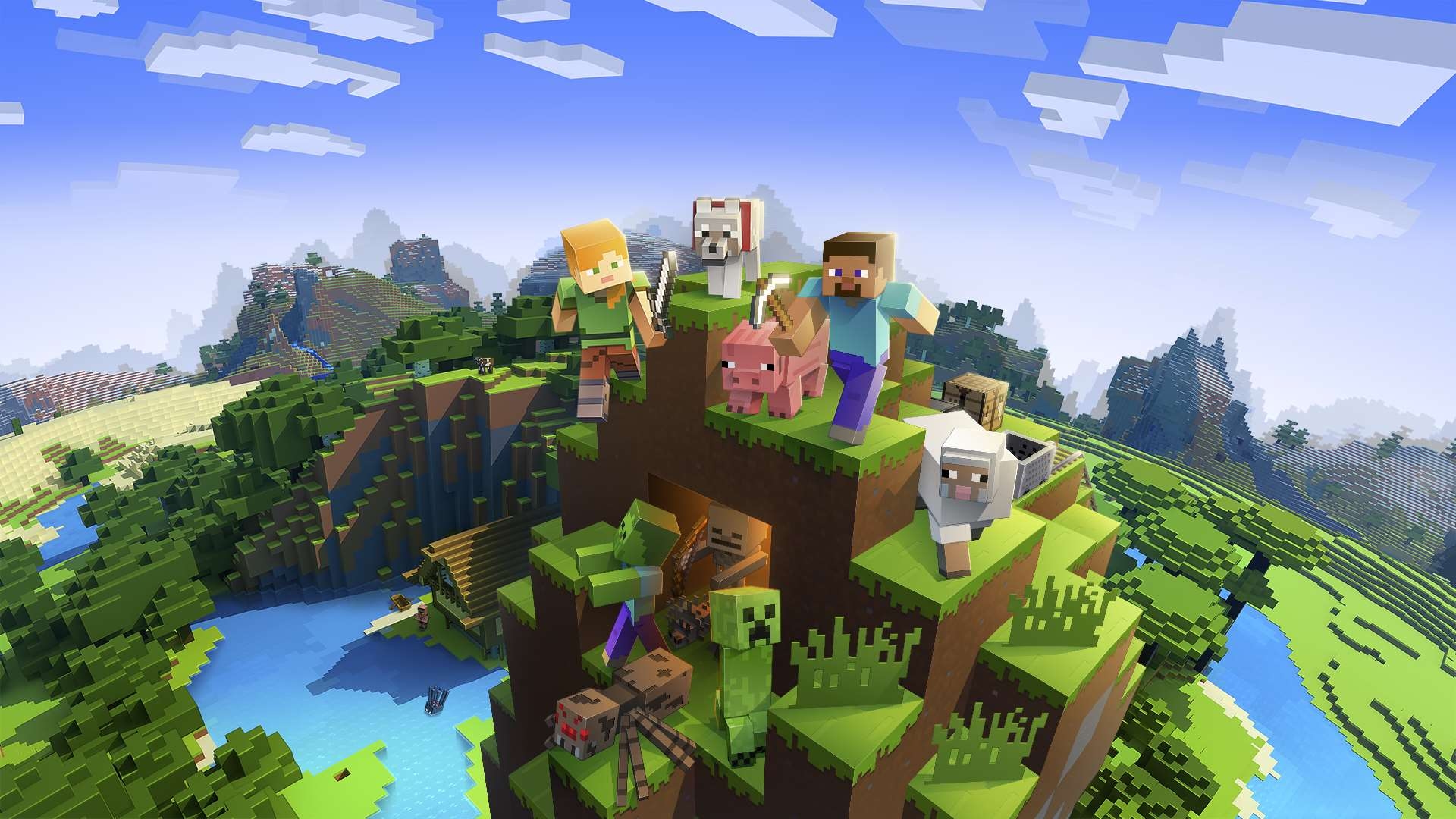
Minecraft
2009 · Action
8.6
PC
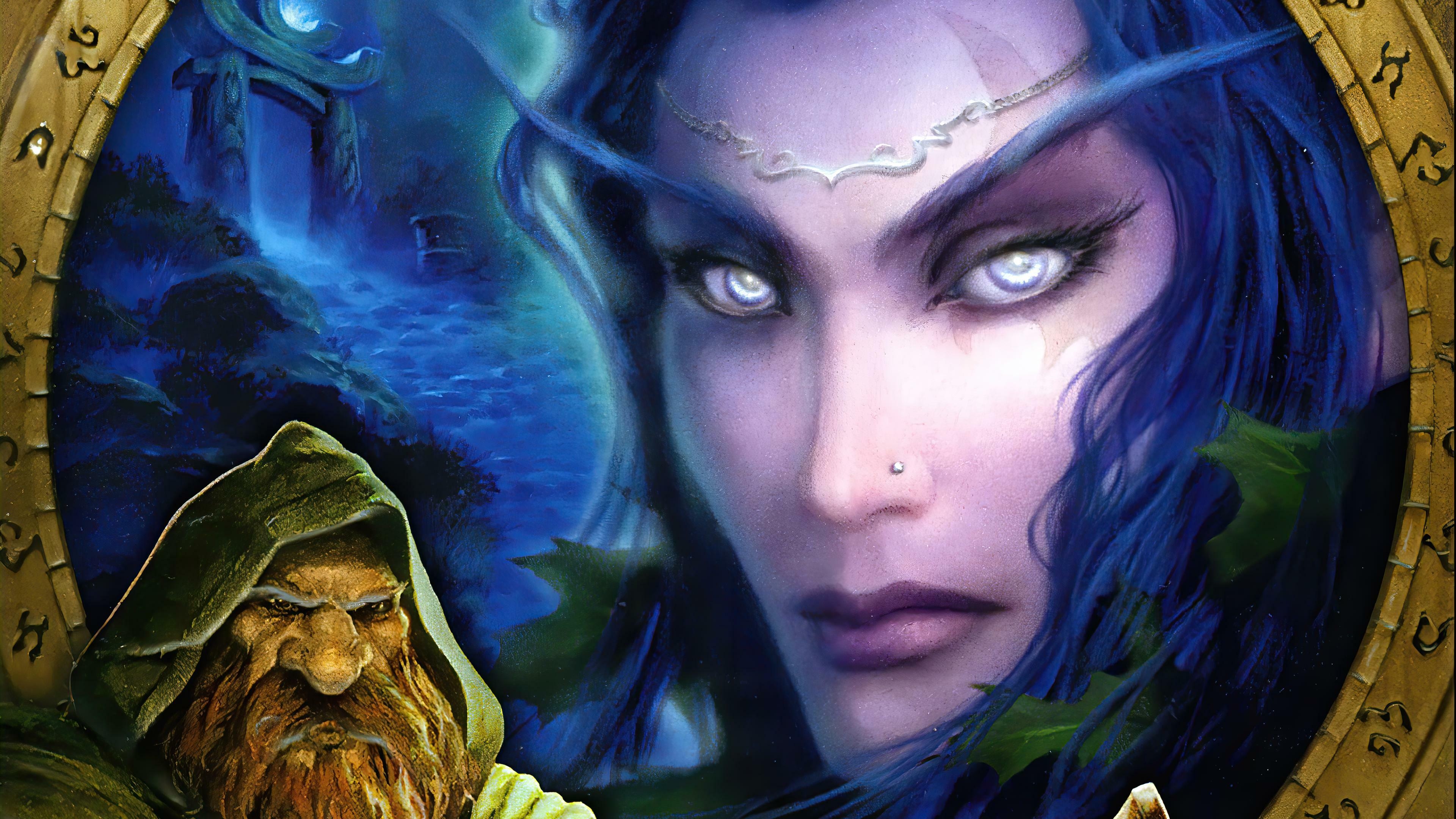
World of Warcraft
2004 · RPG
8.6
Nintendo
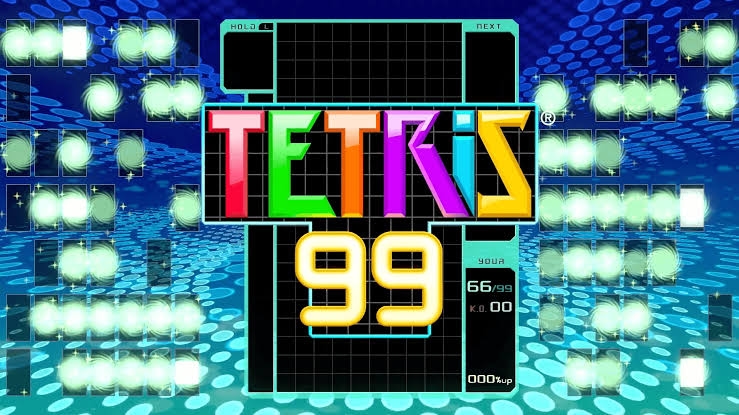
Tetris 99
2019 · Massively Multiplayer
8.4
PCPlayStation
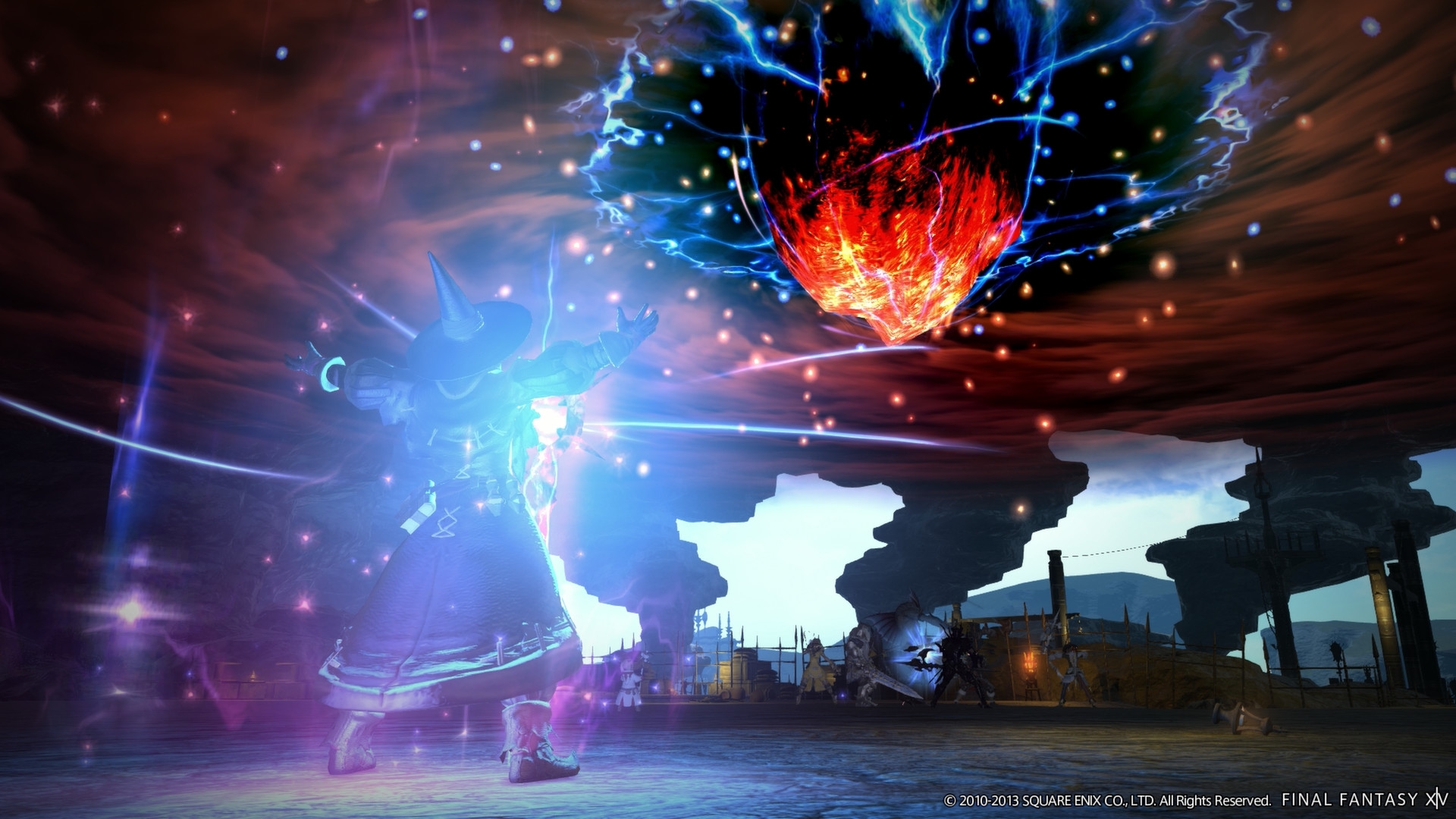
FINAL FANTASY XIV: A Realm Reborn
2013 · RPG
8.4
PCPlayStationXbox
CarX Drift Racing Online
2017 · Sports
from $14.99
8.3
PCPlayStationXboxNintendo
Overwatch
2016 · Action
Free
8.3
PC
Ragnarok Online
2001 · RPG
Free
8.1
PC
Guild Wars 2
2012 · Adventure
Free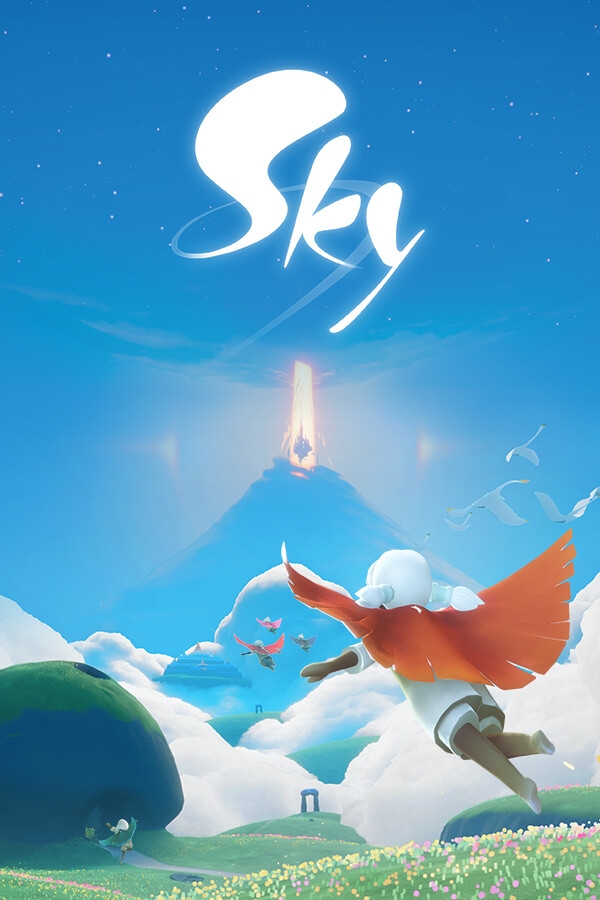
8.0
PCPlayStationNintendo
Sky: Children of the Light
2019 · Adventure
Free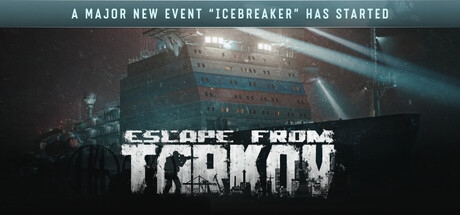
8.0
−30%PC
Escape from Tarkov
2025 · Shooter
$49.99from $34.99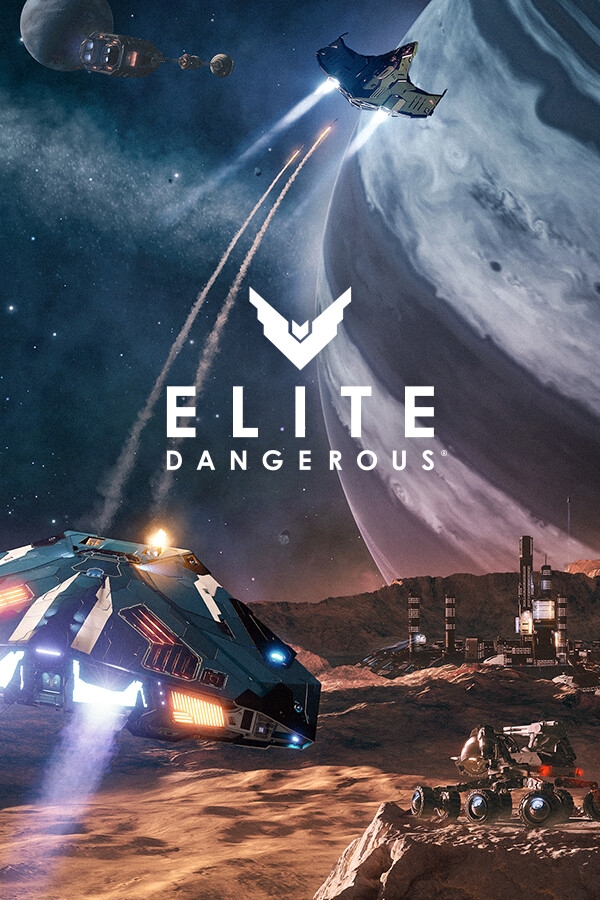
7.9
−74%PCPlayStationXbox
Elite Dangerous
2015 · Action
$19.99from $5.16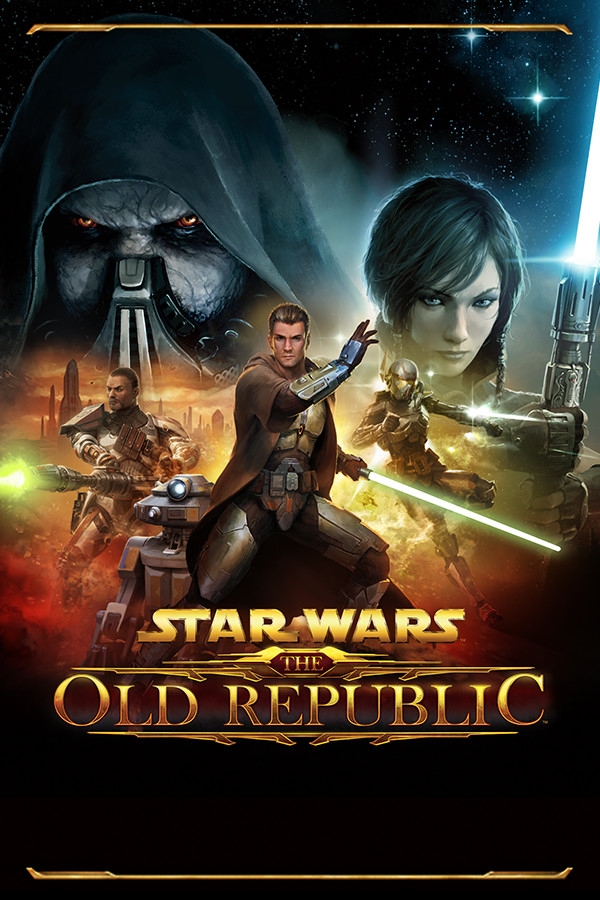
7.7
PC
Star Wars: The Old Republic
2011 · RPG
Free
7.7
PC
Old School RuneScape
2018 · Adventure
Free
7.6
PC
Delta Force
1998 · Action
7.5
PCPlayStationXboxNintendo
Fall Guys: Ultimate Knockout
2020 · Action
7.5
−90%PC
Rising Storm 2: VIETNAM
2017 · Action
$24.99from $2.49
7.5
PC
Foxhole
2017 · Action
from $29.99
7.4
−68%PCPlayStationXboxNintendo
No Man's Sky
2016 · Action
$59.99from $18.95
7.4
PCPlayStationXbox
Sea of Thieves
2018 · Action
from $39.99
7.4
−77%PC
V Rising
2024 · Action
$34.99from $7.90…
About Massively Multiplayer Games
The MMO genre has evolved significantly since its World of Warcraft peak. Traditional subscription MMOs — WoW, Final Fantasy XIV, The Elder Scrolls Online — offer the deepest content and most polished experiences. Free-to-play MMOs — Guild Wars 2, Lost Ark, Black Desert Online — lower the barrier to entry but vary in how aggressively they monetize progression. Buy-to-play MMOs like New World require a one-time purchase with optional subscriptions. Survival MMOs — Rust, DayZ, Ark: Survival Evolved — are less structured: open-world survival games with massive player populations rather than quest-driven story content.
Before committing to an MMO, research the true cost of entry: many games have a base price, multiple years of expansions each priced separately, and optional subscriptions on top. Final Fantasy XIV, for example, has four major expansions — buying all at full price is a significant investment. Research which expansions are considered essential for the current game state before buying. Also consider server population: some older MMOs have consolidated onto fewer servers, affecting the social experience the game was designed around.
MMO pricing is the most complex in gaming — base game, expansions, subscriptions, and in-game stores all stack up in ways that aren't always transparent. GameTheca tracks base game and expansion prices across every store so you can calculate the real cost of getting current before committing. Expansion bundles frequently go on sale around new content releases, which is often the best time to catch up on older content.
253 massively multiplayer titles tracked — ranked by rating and popularity.